Archives
- 2026-09
- 2026-08
- 2026-07
- 2026-06
- 2026-05
- 2026-04
- 2026-03
- 2026-02
- 2026-01
- 2025-12
- 2025-11
- 2025-10
- 2025-09
- 2025-03
- 2025-02
- 2025-01
- 2024-12
- 2024-11
- 2024-10
- 2024-09
- 2024-08
- 2024-07
- 2024-06
- 2024-05
- 2024-04
- 2024-03
- 2024-02
- 2024-01
- 2023-12
- 2023-11
- 2023-10
- 2023-09
- 2023-08
- 2023-07
- 2023-06
- 2023-05
- 2023-04
- 2023-03
- 2023-02
- 2023-01
- 2022-12
- 2022-11
- 2022-10
- 2022-09
- 2022-08
- 2022-07
- 2022-06
- 2022-05
- 2022-04
- 2022-03
- 2022-02
- 2022-01
-
br Acknowledgements We apologize to
2022-01-03
Acknowledgements We apologize to our distinguished colleagues whose work has not been cited owing to space limitations. This work was funded by the Italian Association for Cancer Research (AIRC, Milan, Italy, IG 14732 to A.M.); Italian Ministry of University and Education (Finanziamenti per la Ri
-
Considering the conformational preferences of the
2022-01-03
Considering the conformational preferences of the SRSRY sequence in the x-ray structures of soluble uPAR (SuPAR) [18], [19], [20], [50], [51], it is included in a quite flexible linker delimited by Cys76 and Cys95 residues. The SRSRY sequence adopts either α-turned or β-extended conformation. In any
-
Considering the fact that NADPH oxidase
2022-01-03
Considering the fact that NADPH oxidase is the main source for paraquat and maneb-induced oxidative stress, we hypothesized that NADPH oxidase activation might contribute to dopaminergic neurodegeneration induced by paraquat and maneb through ferroptosis. To test our hypothesis, we investigated the
-
In the next set of experiments
2022-01-03
In the next set of experiments, we sought to determine the source of lysosomal 1478 receptor inhibition by oxidative stress. Lysosomal exocytosis probably involves multiple steps including vesicle positioning, delivery, docking and fusion. The previous evidence and data in Fig. 1C,D show that TRPML
-
Interest in the non coding genome has
2022-01-03
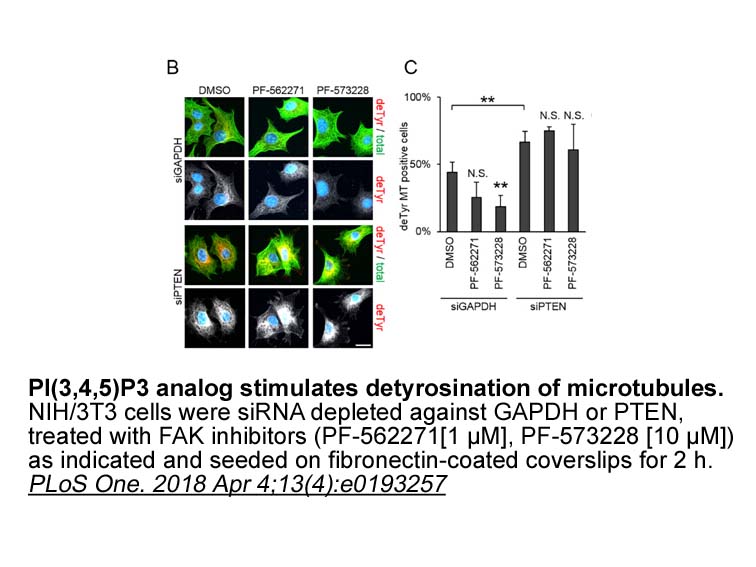
Interest in the non-coding genome has recently surfaced with accelerated emphasis in the past few years (Li et al., 2016). Transcription factors (TFs) bind to enhancers and mediate RNA initiation from distal transcriptional start sites (TSS) of genes. Epigenome sequencing of human and mouse during d
-
Parkinson s disease is another
2022-01-03
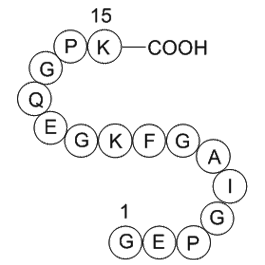
Parkinson's disease is another neurodegenerative disorder affecting H3Rs. The most common clinical symptoms of this disease are rigidity, bradykinesia, rest tremor, loss of postural reflexes, and gain impairment owing to progressive degeneration of the dopaminergic neurons in the nigro-striatal neur
-
br Hippo Signaling in Autoimmunity
2022-01-03
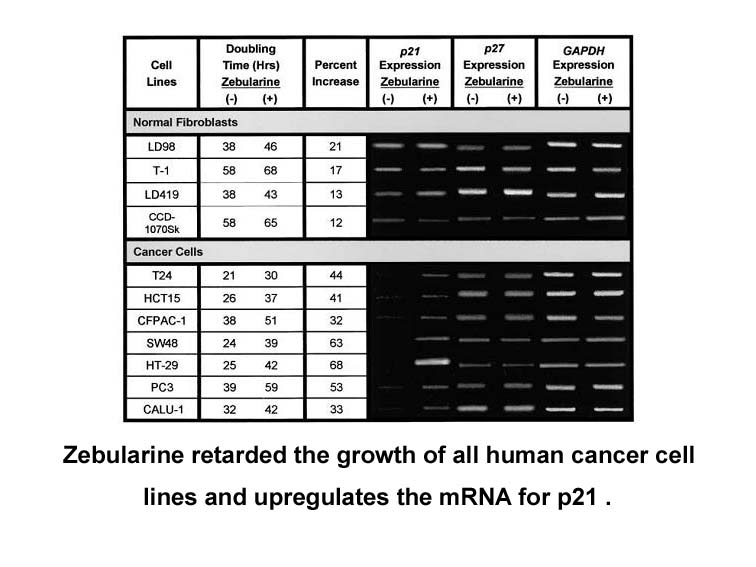
Hippo Signaling in Autoimmunity An imbalance of T cell subsets, such as immunosuppressive regulatory T RK-33 (Treg) and inflammatory TH17, has a key role in autoimmune diseases. Recently, investigations found that TAZ but not YAP enhances TH17 differentiation but attenuates Treg differentiation
-
br HER proto oncogene The erbB gene located on the
2022-01-03
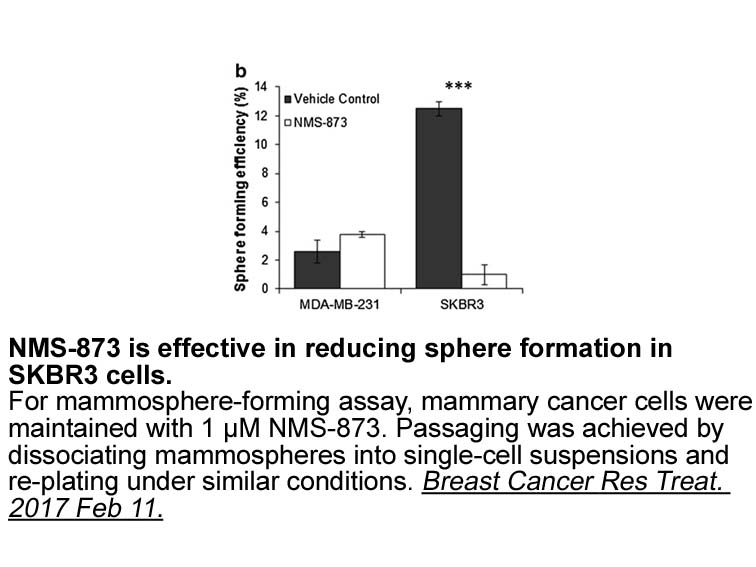
HER2 proto-oncogene The erbB2 gene, located on the short arm of chromosome 17, was discovered and cloned in 1983 (Fig. 1) (Sato et al., 1983). The product of this gene, HER2, is a transmembrane glycoprotein of 185 KDa that consists of three main domains: an extracellular, a transmembrane and an i
-
The study by Pigna and collaborators
2022-01-03
The study by Pigna and collaborators provides an elegant demonstration why class IIa HDAC inhibition may not be suitable to protect the neuromuscular function in ALS, consistent with a recent study that showed only a transient protection of motor performance after treatment of the same ALS model wi
8124 records 542/542 page Previous First page 上5页 541542